
.jpg)
What is Fukushima wastewater?
After the 2011 Tohoku earthquake and [[tsunami::A huge sea wave that is caused due to an earthquake.]], some [[reactors::A large structure that is used to produce nuclear energy.]] at Japan's Fukushima Daiichi [[nuclear power plant::A type of power plant that uses nuclear power to generate electricity.]] melted. This caused [[radioactive::The dangerous and harmful energy that's produced by the breaking up of atoms.]] substances to leak from the power plant. To stop more problems, workers filled the reactors with water. This water became highly [[contaminated::When something becomes impure as something harmful gets mixed with it.]].
The plant doesn't work anymore, and the reactors are turned off. But they still need to be cooled. This is why wastewater continues to pile up. The Japanese government is having a hard time with this wastewater. The government says this water has to be released.
Where is Japan releasing this water?
On 24th August 2023, Japan started releasing the [[treated::To clean something with a chemical substance.]] radioactive water into the Pacific Ocean. They will keep releasing the water in the ocean for 30 years.
Won’t this harm the environment?
The Japanese government has been cleaning out the really bad radioactive stuff from wastewater. However, it cannot remove one element named [[tritium::A radioactive element.]]. So, the government decided to [[dilute::To weaken a liquid by adding water or another liquid.]] the water with seawater. This will reduce the amount of tritium in the wastewater.
Then, they'll send this water under the ocean floor through a tunnel to a spot in the Pacific Ocean. The government say tritium isn't as bad as other radioactive things. So, this is the best plan to get rid of the water.
The International [[Atomic Energy::Nuclear energy.]] Agency (IAEA) has also approved this plan. They'll also watch to make sure it's done safely. The USA has also supported this plan. However, some are [[protesting::When a strong dislike or opposition to something is shown through various actions.]] this release.
Who has protested against this release?
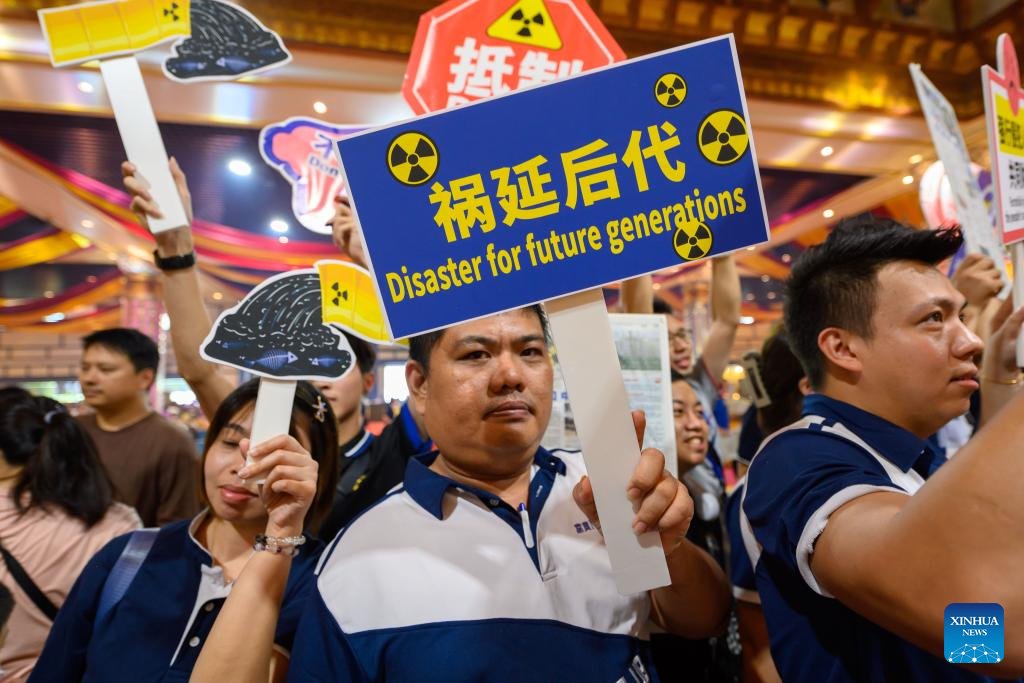
Even though Japan, the IAEA, the United Nations, many scientists, and the USA think the plan is okay, lots of people are protesting. They're worried it might harm nature. Some experts want more research done and want the release to be stopped.
China is really against it. They think it's a bad idea that could harm the environment. The country has also [[banned::To prohibit something through legal methods.]] seafood [[imports::A resource or service that is brought from another country.]] from Japan. Many South Koreans have also
Quick Revision
In 2011, Japan’s Fukushima plant leaked radioactive water after a tsunami.
Japan is now releasing treated water into the Pacific Ocean for 30 years.
Most radioactive parts are removed, but tritium remains (diluted with seawater).
IAEA and USA say it’s safe; China and South Korea protest it.
China banned seafood and people worry about ocean safety.


