
.jpg)
How many [[nuclear::Using the energy created when an atom's nucleus is divided or merged with another nucleus.]] [[power plants::A building where electricity is produced.]] has Germany shut down?
Germany's last three nuclear power plants, Emsland, Isar II, and Neckarwestheim II, have been shut down. The country first planned to [[phase out::To slowly remove something that's in use.]] nuclear power in 2011.
The goal was to shut down all nuclear power plants by the end of 2022.But the plans were delayed due to Russia's [[invasion::The action of one country forcefully entering another country in order to take control of it.]] of Ukraine. The invasion cut off the Russian gas supply to Germany.
So, the government decided to keep the power plants running until 15th April 2023. But, many scientists made a last-minute [[appeal::Legal request given by someone for a decision to be changed.]] to keep the reactors functional.
Why did scientists appeal to keep the three nuclear power plants operational?
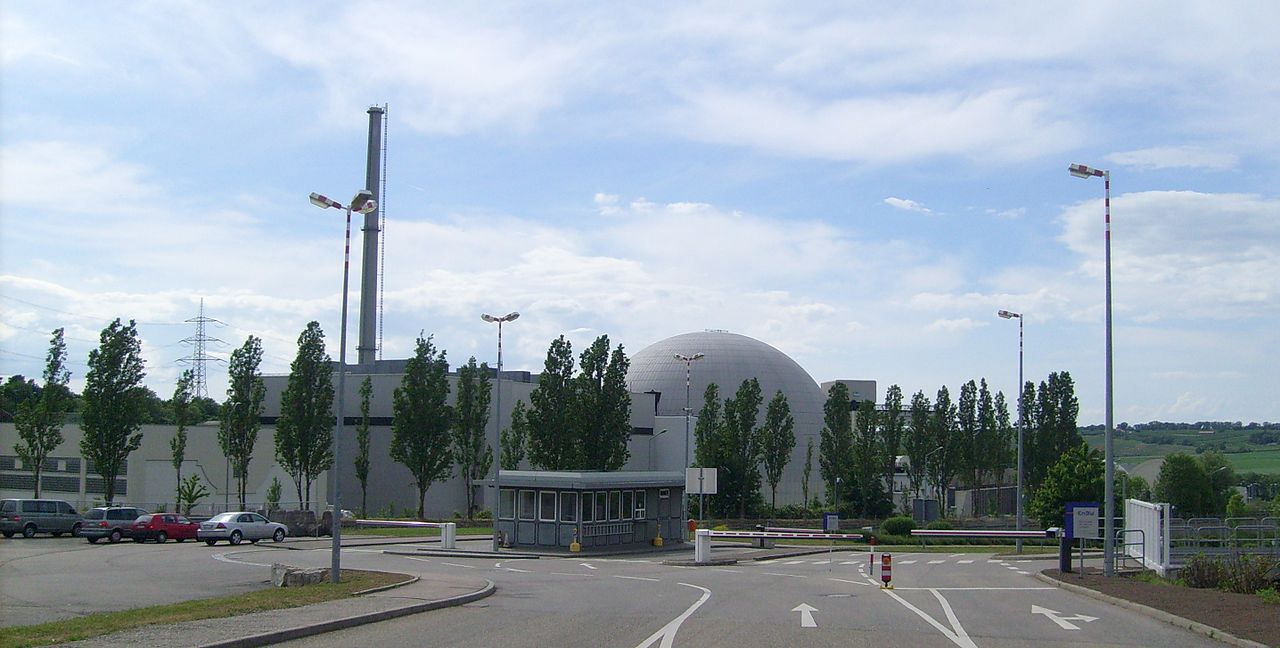
Scientists say the lack of Russian natural gas has caused an energy crisis in Germany and Europe. So, it would be wise to keep the power plants operational.
The scientists are disappointed that the power plants, which don’t release any [[greenhouse::A gas that harms the environment by trapping the sun's heat in the Earth's atmosphere.]] gases, are being shut down.
Still, their appeal did not change the decision of Germany’s government to turn off the nuclear power plants.
Why did the German government decide to shut down the nuclear power plants?
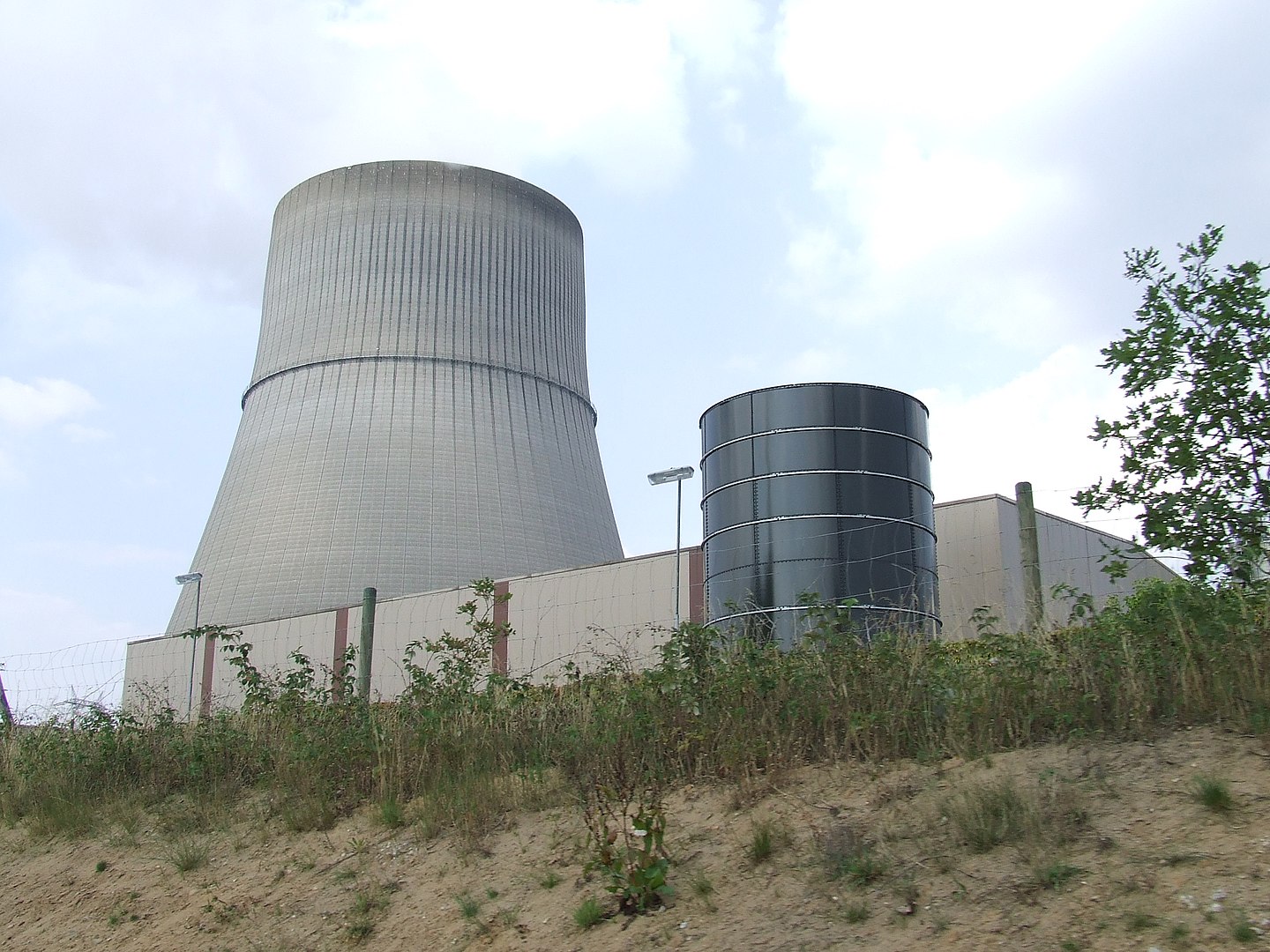
Steffi Lemke, Germany's Environment Minister, highlighted uncontrollable dangers related to nuclear power plants. So, the government has chosen to shut down the power plants to keep the country safer and avoid additional [[nuclear waste::Radioactive waste material, such as used fuel that comes from nuclear power plants.]].
Many Germans in the past had [[protested::To say or do something in public in order to show one’s disagreement.]] against the use of nuclear power. But, the governments did not listen to them and opened nuclear power plants.
However, in 2011, a [[nuclear meltdown::A major accident that damages the core of a nuclear reactor due to overheating.]] occurred in Fukushima, Japan. Seeing the destruction it caused, Germany's government said that nuclear power plants in Germany would be slowly shut down.
What are other countries in Europe doing about nuclear power plants
Sweden and Italy shut down their nuclear power stations shortly after the Chernobyl disaster. In Italy, the ruling is still in effect, while Sweden changed it in 1996. There are six operational nuclear power facilities in Sweden today.
Several European countries, including the Netherlands and Poland, are planning new nuclear power plants. Many countries in the [[European Union::An international organisation consisting of 27 European countries that follow a similar set of rules and laws.]] plan to use nuclear power, while several intend to expand their current capacities.
Quick Revision
Last 3 plants (Emsland, Isar II, Neckarwestheim II) closed on April 15, 2023.
Delay due to Russia-Ukraine war and gas shortage.
Scientists wanted them open for clean energy, but govt shut them for safety.
Decision driven by Fukushima fears and nuclear waste risks.
Italy quit, while Sweden, Poland, Netherlands still use or expand nuclear power.


