

A cold surprise
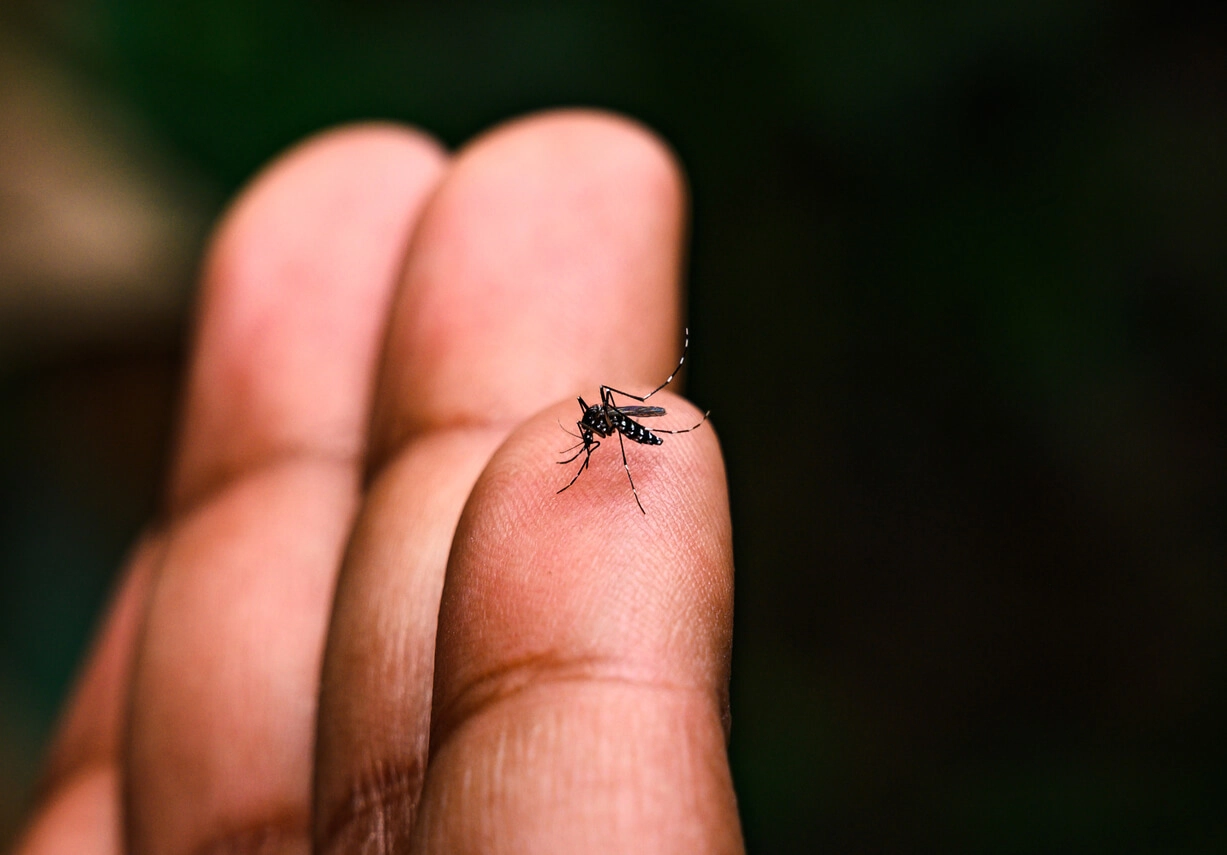
For the first time ever, mosquitoes have been found living outdoors in Iceland, a country known for its freezing weather.
A man named Björn Hjaltason spotted three mosquitoes in a valley near Reykjavík, Iceland’s capital. He caught two females and one male.
Scientists later confirmed they were [[Culiseta annulata::A species of mosquito that can survive in colder climates and is often found in northern regions.]], also called the banded mosquito.
Iceland was always one of the few places on Earth without mosquitoes, but now that has changed.
Why Iceland never had mosquitoes
Scientists say Iceland’s weather made it too hard for mosquitoes to survive.
Mosquitoes need still water for their eggs to hatch and grow. But in Iceland, the water freezes and melts again and again during autumn and spring. This [[freeze–thaw cycle::A process where water freezes, melts, and freezes again, often damaging or affecting living things and surfaces.]] kills mosquito eggs before they can turn into adults.
Even Iceland’s hot springs are not suitable, as they are too hot and full of minerals. This is why mosquitoes stayed away from Iceland for so long.
Where did they come from?
Experts think the mosquitoes reached Iceland through cargo ships or shipping containers from nearby countries.
Mosquitoes are great [[hitchhikers::Things (like insects or small animals) that travel from one place to another by attaching themselves to people, goods, or vehicles.]] and can easily travel long distances through trade and transport. But this time, climate change may have helped them survive.
In May 2025, Iceland had its hottest May ever, with some places reaching 26.6°C, which is about 13°C warmer than usual!
As Iceland gets warmer rapidly, [[cold-resistant::Able to survive or stay active even in very low temperatures.]] mosquitoes like Culiseta annulata can now live there.
Why is this a concern?
These mosquitoes do not carry dangerous diseases like dengue or malaria. But scientists say their arrival is still a warning. If mosquitoes can live in Iceland now, other insects might too.
It also shows that climate change is affecting nature everywhere, even in cold countries that were once safe from such insects.
Conclusion
Finding mosquitoes in Iceland ends its record as a mosquito-free country. Now, only Antarctica remains free of mosquitoes.
Scientists will monitor the country again in spring 2026 to see if the insects survived the winter.
Whether they stay or not, one thing is certain that climate change is reaching every corner of the planet, even the distant cold places.
Quick revision
In October 2025, three Culiseta annulata mosquitoes were found near Reykjavík, Iceland.
Iceland never had mosquitoes before because its freeze–thaw weather killed eggs and larvae, but warmer temperatures now let them survive.
Their presence in Iceland shows how climate change is allowing insects to live in new, colder regions.


